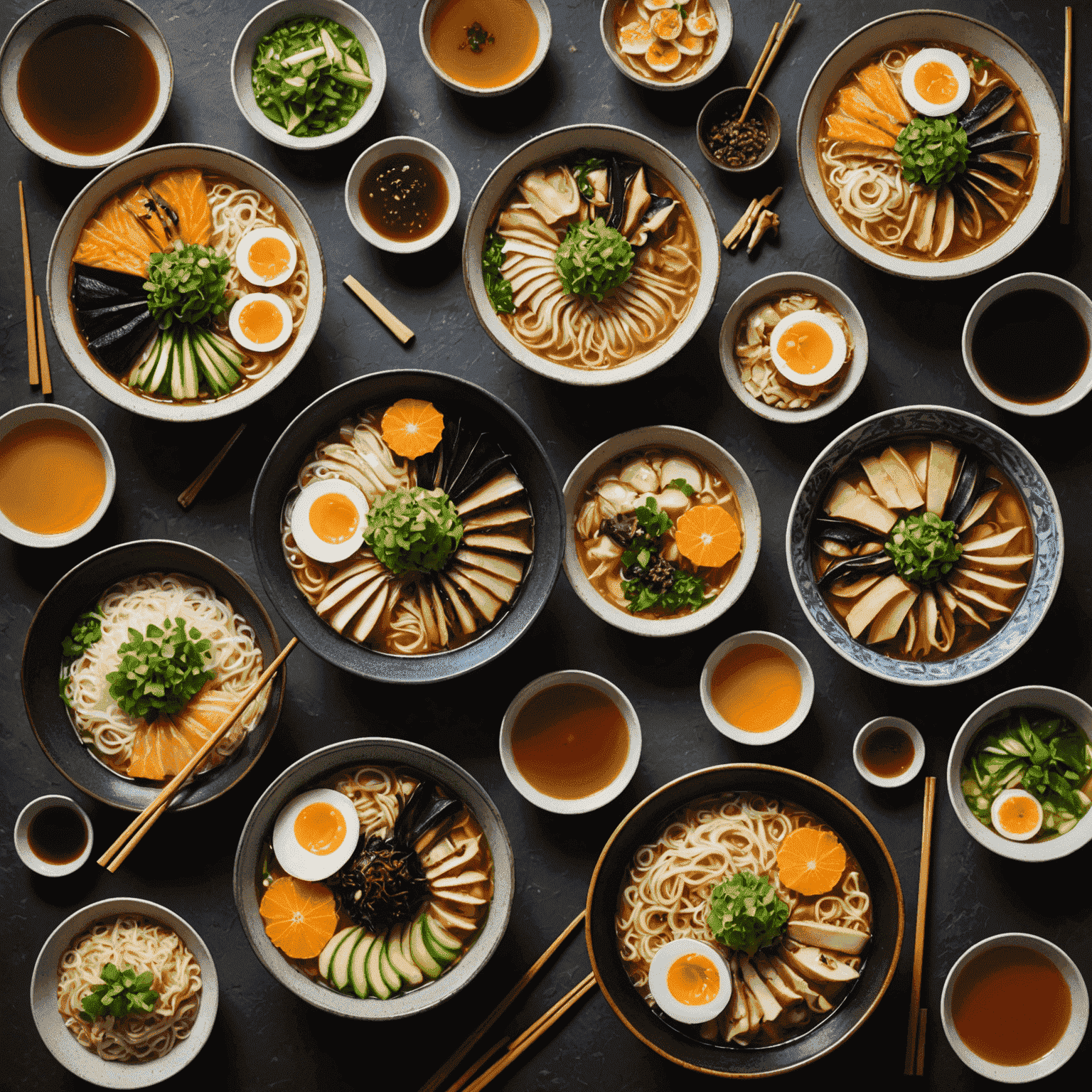
Seasonal Japanese Ingredients: A Guide
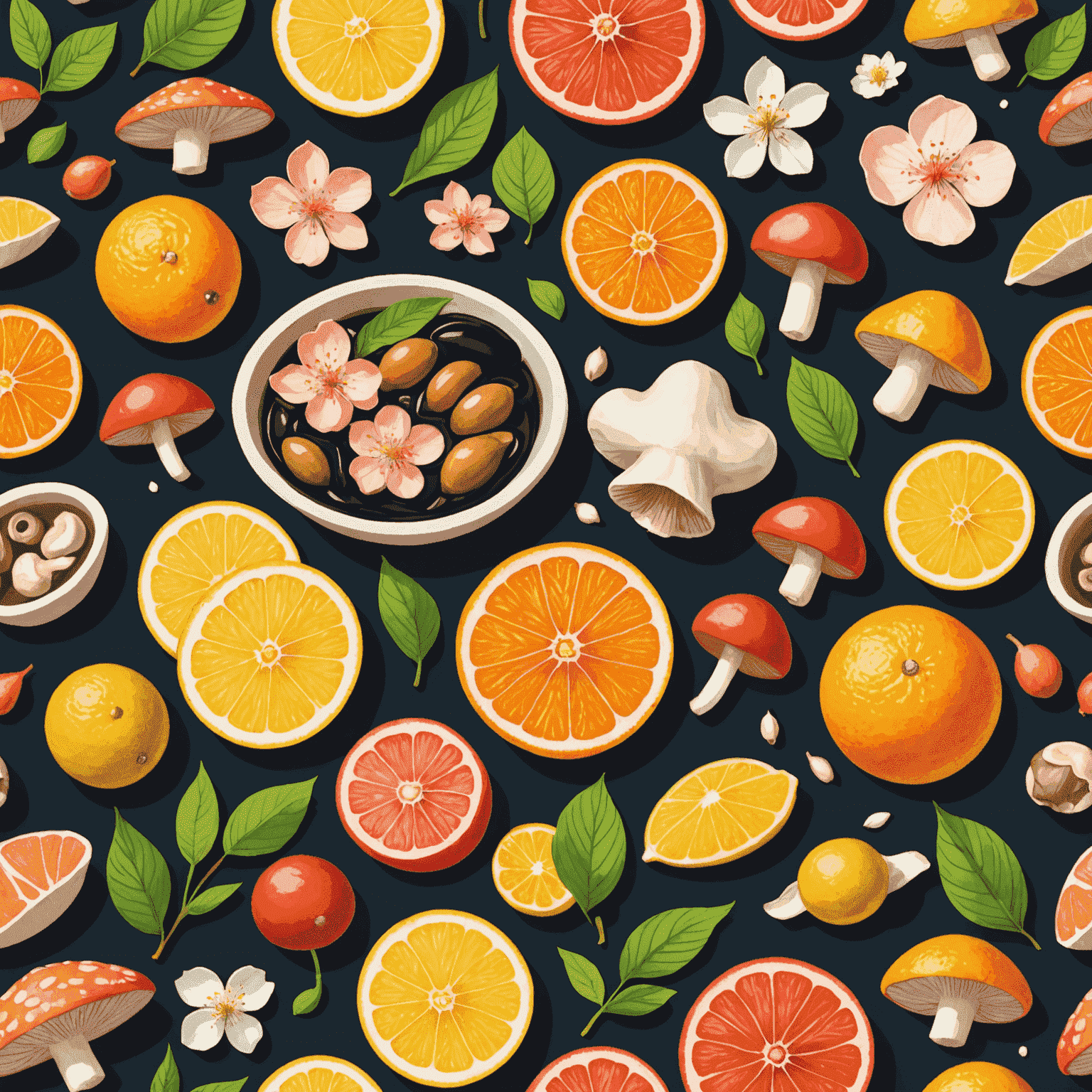
In Japanese cuisine, the concept of shun (旬) - or seasonality - is paramount. This guide will help you understand and incorporate seasonal ingredients into your cooking, elevating your dishes with authentic Japanese flavors.
Spring (春 - Haru)
As cherry blossoms bloom, spring brings a bounty of fresh, tender vegetables and seafood.
- Bamboo shoots (たけのこ - Takenoko): Perfect for adding to your ramen or stir-fries.
- Cherry blossoms (桜 - Sakura): Used in teas and as a delicate garnish.
- Green peas (グリーンピース - Gurīn pīsu): Great for adding color and sweetness to dishes.
Summer (夏 - Natsu)
Summer in Japan is hot and humid, calling for light, refreshing ingredients.
- Eggplant (なす - Nasu): Versatile for grilling or adding to summer curries.
- Ayu (鮎): A sweet river fish, often grilled whole.
- Shiso (紫蘇): An aromatic herb used in salads and as a garnish.
Autumn (秋 - Aki)
Fall brings a rich harvest of hearty vegetables and fruits.
- Matsutake mushrooms (松茸): Prized for their distinct aroma, perfect for soups.
- Kabocha squash (かぼちゃ): A sweet pumpkin, great for tempura or soups.
- Persimmons (柿 - Kaki): Enjoyed fresh or dried as a sweet treat.
Winter (冬 - Fuyu)
Winter calls for warming, comforting ingredients.
- Yuzu (柚子): A citrus fruit used to add brightness to winter dishes.
- Daikon radish (大根): A versatile root vegetable, great for pickling or grating.
- Nabe vegetables: Various vegetables used in hot pot dishes, perfect for cold nights.
Incorporating Seasonal Ingredients
To truly embrace Japanese cooking, try incorporating these seasonal ingredients into your dishes:
- Add spring bamboo shoots to your next bowl of ramen for an authentic touch.
- Grill summer eggplants and serve with a miso glaze for a light meal.
- Create a fall-inspired tempura using kabocha squash and matsutake mushrooms.
- Brighten your winter nabe with slices of yuzu and chunks of daikon.
By paying attention to seasonality, you'll not only create more authentic Japanese dishes but also enjoy ingredients at their peak flavor. Remember, the key to great Japanese cooking is respecting the natural flavors of each ingredient and allowing them to shine in your recipes.