The Tea Ceremony: History and Modern Practice
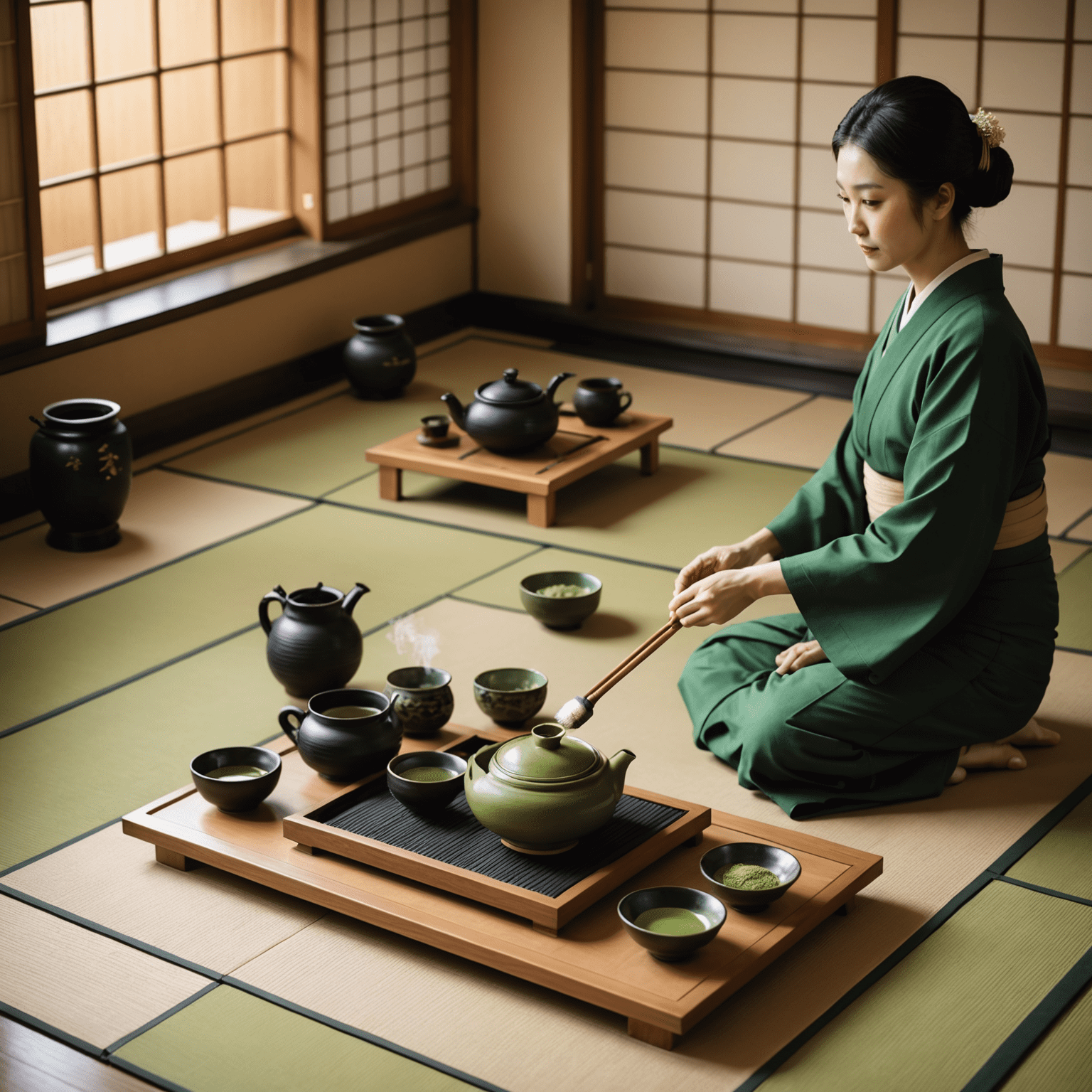
The Japanese tea ceremony, known as chanoyu (茶の湯) or sadō (茶道), is a centuries-old tradition that embodies the principles of harmony, respect, purity, and tranquility. This article explores the rich history of the tea ceremony and its relevance in modern times, offering insights on how to incorporate its wisdom into daily life.
Historical Roots
The tea ceremony's origins can be traced back to the 12th century when tea was first introduced to Japan from China. Initially consumed for medicinal purposes, tea drinking evolved into a spiritual and aesthetic practice under the influence of Zen Buddhism. By the 16th century, the tea ceremony had been refined into the form we recognize today, largely thanks to the tea master Sen no Rikyū.
Elements of the Ceremony
A traditional tea ceremony involves several key elements:
- The tea room (chashitsu): A specially designed space, often with tatami mats and minimal decoration.
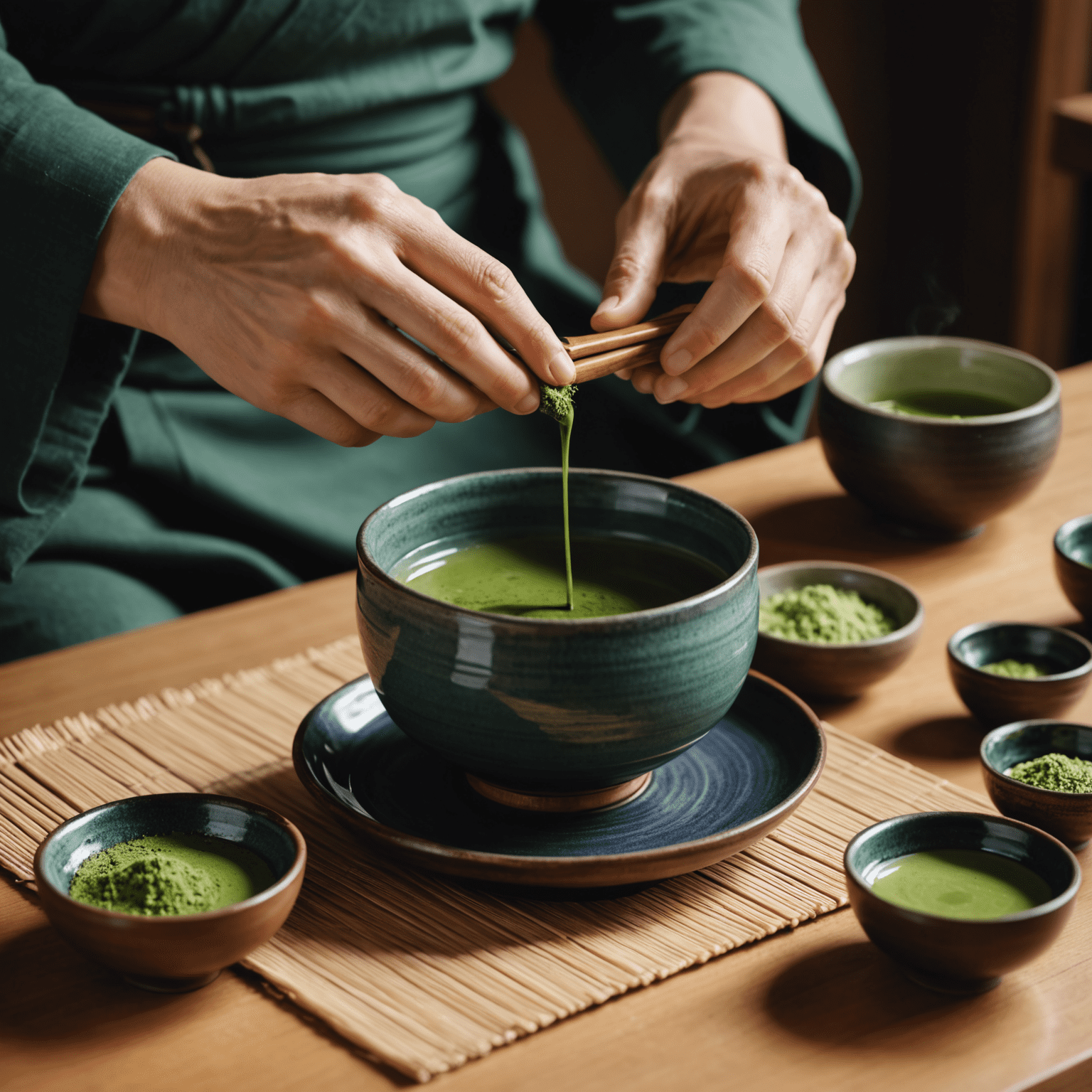
- Tea utensils: Including the tea bowl (chawan), tea whisk (chasen), and tea scoop (chashaku).
- The preparation and serving of matcha: Powdered green tea whisked with hot water.
- Precise movements and gestures: Each action in the ceremony is deliberate and meaningful.
- Seasonal considerations: The choice of utensils, decorations, and even the tea itself may change with the seasons.
Etiquette and Mindfulness
Participating in a tea ceremony requires adherence to specific etiquette:
- Guests should arrive on time and wait to be invited into the tea room.
- Before entering, guests remove their shoes and cleanse their hands and mouth.
- Movement within the tea room should be graceful and mindful.
- The first guest (shokyaku) leads the others in bowing, examining the tea utensils, and drinking the tea.
- Appreciation is shown for the host's efforts, the beauty of the utensils, and the tranquility of the moment.
Modern Practice and Daily Life
While traditional tea ceremonies may seem far removed from modern life, their principles can be applied to enhance our daily experiences:
- Mindfulness: Pay full attention to the present moment, whether you're preparing a quick cup of tea or engaging in a conversation.
- Respect: Treat objects, spaces, and people with care and consideration.
- Simplicity: Appreciate the beauty in simple things and declutter your physical and mental space.
- Harmony: Strive for balance in your surroundings and relationships.
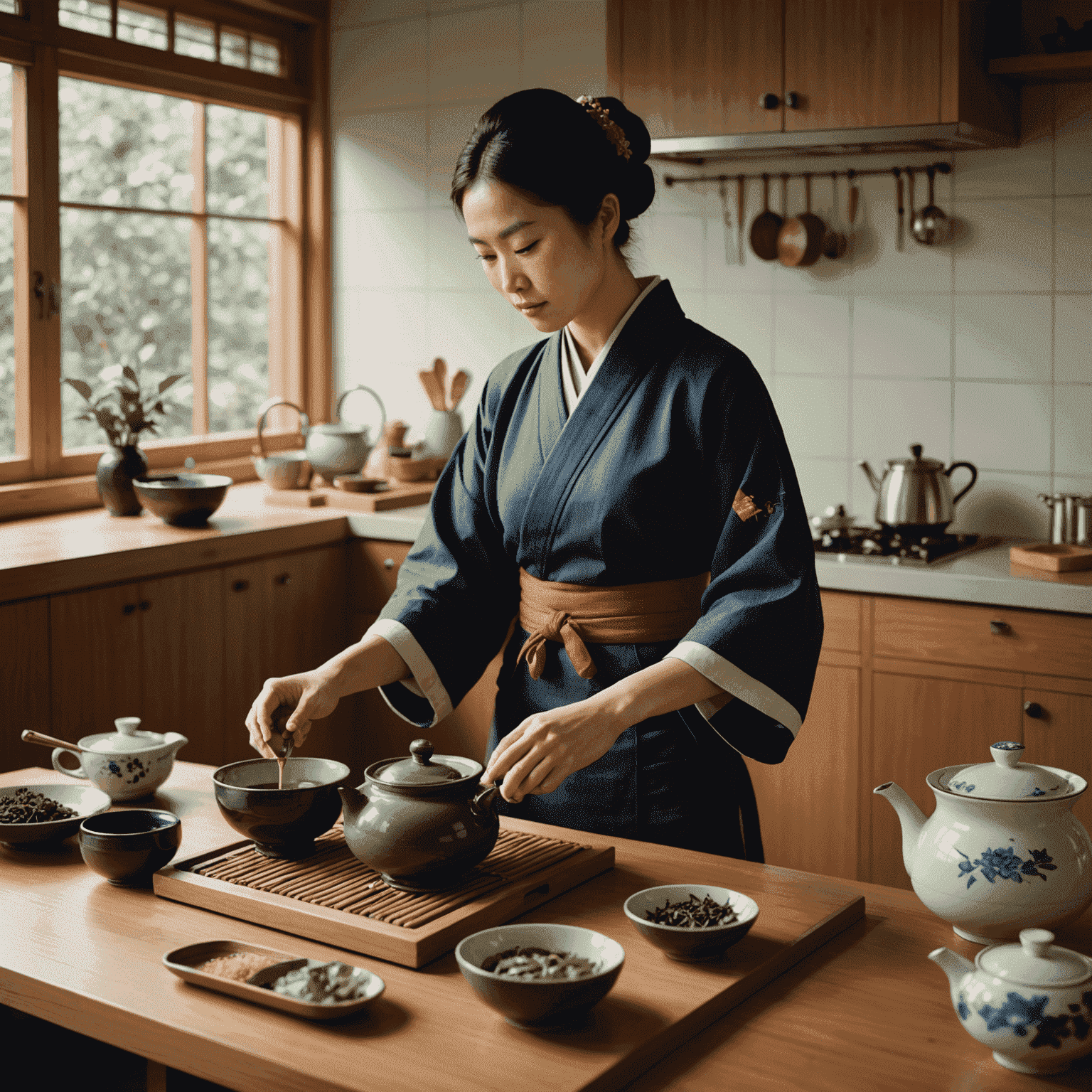
- Tranquility: Create moments of calm in your day, perhaps through a personal tea ritual.
Conclusion
The Japanese tea ceremony is more than just a way of preparing and drinking tea; it's a profound cultural practice that offers valuable lessons for modern life. By understanding its history and principles, we can cultivate a greater sense of presence, appreciation, and harmony in our daily routines. Whether you're savoring a bowl of matcha or simply enjoying your morning coffee, the spirit of the tea ceremony can enrich your experience and bring a touch of mindfulness to your day.